
Grand Junction Court Docket Searches
There is no one-box search for Grand Junction court records. The city offers no public calendar. No docket, payment, or citation-search form exists online. So the lookup starts with people, not with a guessed portal. Which court, which agency, and where the event happened decide the route you take.
- Read the notice for the issuing agency and court name.
- Collect the case or ticket number, exact name, violation, and date.
- Ask the current Grand Junction city office who keeps a city record.
- Use the Circuit Court Clerk for Circuit, Criminal, General Sessions, or Juvenile files.
- Use the Clerk and Master for Chancery or probate, then confirm the date.
Know exactly what to ask for, because a calendar confirmation, a docket sheet, a judgment, a disposition, a plain copy, and a certified copy are all different requests. One office may tell you it does not hold the file. Ask it which court might.
Grand Junction Records Start Locally
The official Grand Junction municipal website is the starting point for anything city-related. It confirms the local government route, though the site itself posts no public court search.
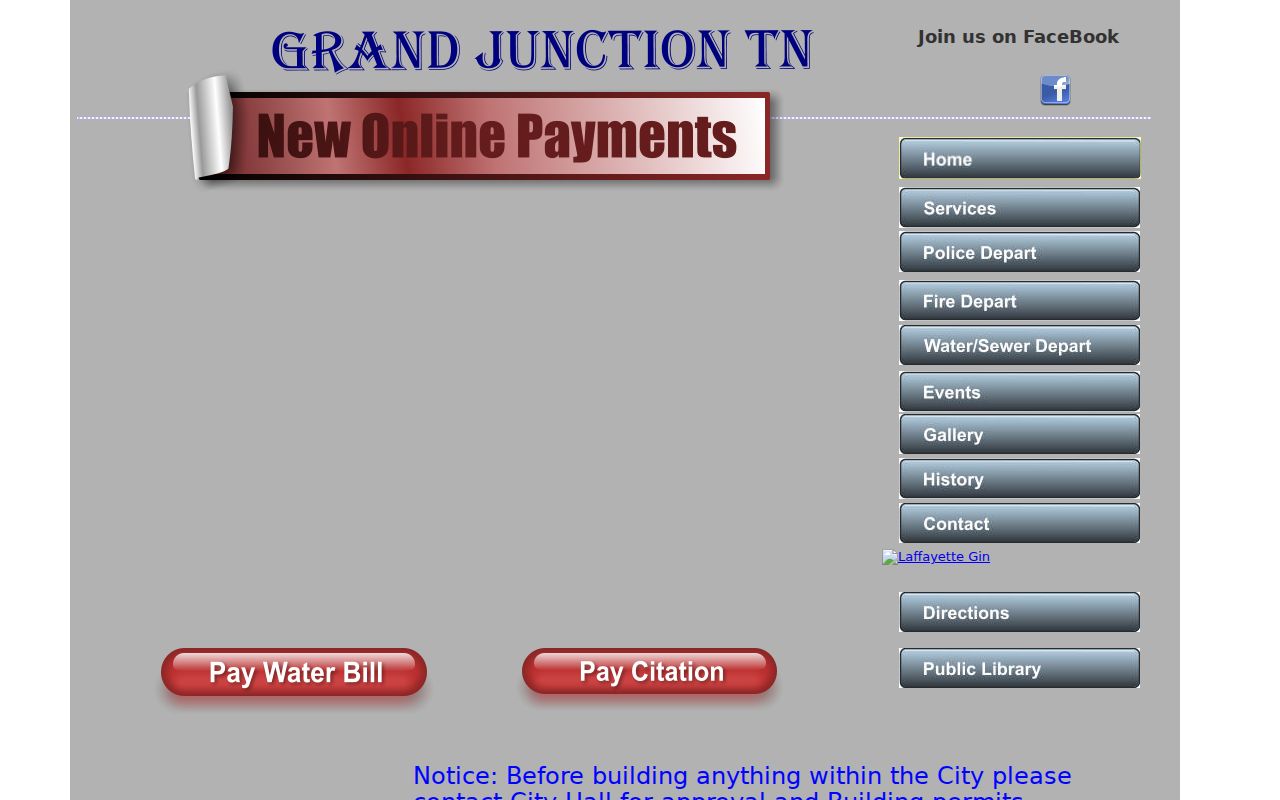
Call the city office directly. Do not guess at a clerk name, phone number, or session schedule. Ask who keeps the public records. Ask whether a municipal court currently meets, and how to request inspection or copies. Find out whether the city, the county, or another agency issued the citation. Those answers beat any search of a neighboring city's database.
Inside Grand Junction Municipal Court
Grand Junction is an incorporated Hardeman County municipality. That status alone does not mean a municipal court runs an online docket. The city posts no standalone court page. The AOC Hardeman directory lists no verified current city-clerk contact. Calling directly keeps you from relying on an invented phone number or schedule.
If the city holds it, ask where inspection happens. Ask what fields a written request needs, and whether copies or certification carry a city charge. Do not assume the county fee table applies. The city may point you to a county division. Name that division in every request from then on.
Grand Junction Record Request Fields
Give a clerk facts that identify one file. Spell names and numbers exactly as printed. Older files often lack modern identifiers, so pair the date with the issuing agency and the ordinance or violation charged.
| Identifier | Case, citation, ticket, or ordinance number. |
|---|---|
| Agency | The city, county, police, or other issuing body. |
| Date | Violation, filing, court, or disposition date. |
| Party | Exact name shown on the source paper. |
| Product | Calendar, docket entry, judgment, disposition, plain copy, or certified copy. |
A failed lookup has several explanations worth asking about. The record may be archived, filed under another number, sealed, or held by a different court. A miss does not mean the case never existed.
Grand Junction Docket Terms Explained
Clerks use a set vocabulary, and knowing it sharpens a Grand Junction request. A docket lists case events in order. A filing is a paper the court accepted. A setting is a scheduled court date, not an outcome. A disposition is the entered result. A judgment or order is the court's formal written act, and certification is the clerk's authentication of a copy.
- Reset
- A setting moved to a later date.
- Pending
- A case not yet shown as finally disposed.
- Sealed
- A record restricted by law or court order.
- Certified copy
- A copy authenticated by the responsible clerk.
Those terms also show why a phone answer rarely satisfies a formal need. When exact text matters, ask for the actual docket entry or filed paper.
Finding Grand Junction Court Dates
The city publishes no official public calendar. Dates need sorting. One date may be a court setting, an ordinance hearing, a payment deadline, or a city meeting, and those are not interchangeable. The citation plus current clerk instructions control.
| Date | The date printed on the notice or confirmed by the custodian. |
|---|---|
| Time | The appearance time, not general office hours. |
| Location | The venue named by the current clerk. |
| Court | Municipal, General Sessions, Circuit, Juvenile, or Chancery. |
| Setting Type | Appearance, hearing, trial, motion, or compliance event. |
Call before you drive anywhere. A reset or continuance moves a setting but never erases the record. Have the clerk repeat the court, date, time, and place, and ask whether you must appear in person.
Grand Junction Is Not Bolivar
Bolivar publishes CourtWare calendar and docket tables for Bolivar Municipal Court. Those tables cover that city only. They are not a Hardeman-wide database, so a missing Grand Junction name or ticket there tells you nothing about a Grand Junction record.
Portal boundary: Search Bolivar records only when the citation or court notice names Bolivar Municipal Court.
A Grand Junction matter can still travel through General Sessions or another Hardeman County court. Classify it first. Use the city office for a city-held matter. Turn to the Circuit Court Clerk for anything in the county divisions. Clerk and Master covers Chancery or probate.
Statewide C-Track needs the same caution. Its Public Case History covers Tennessee appellate matters, not ordinary Grand Junction trial cases. A trial matter shows up there only after an appeal is docketed. That appellate history is not the original trial register. Use it only when the appeal itself is the record you want.
Grand Junction Traffic Ticket Lookups
Grand Junction posts no official payment portal, contest deadline, or appearance schedule. So do not import Bolivar's system or Whiteville's schedule. Read the citation first. Then ask the current city office whether the issuing agency files with a city court or with Hardeman General Sessions.
Paying a ticket is not a formal disposition. A receipt records money. A docket entry records activity, while a certified disposition authenticates the result. Ask for that proof from the office that holds the original filing. When the citation names General Sessions, the Hardeman County traffic court record route adds county context.
Grand Junction County Clerk Boundaries
The Hardeman County Clerk page names one county office, but that office is not the clerk for every court.
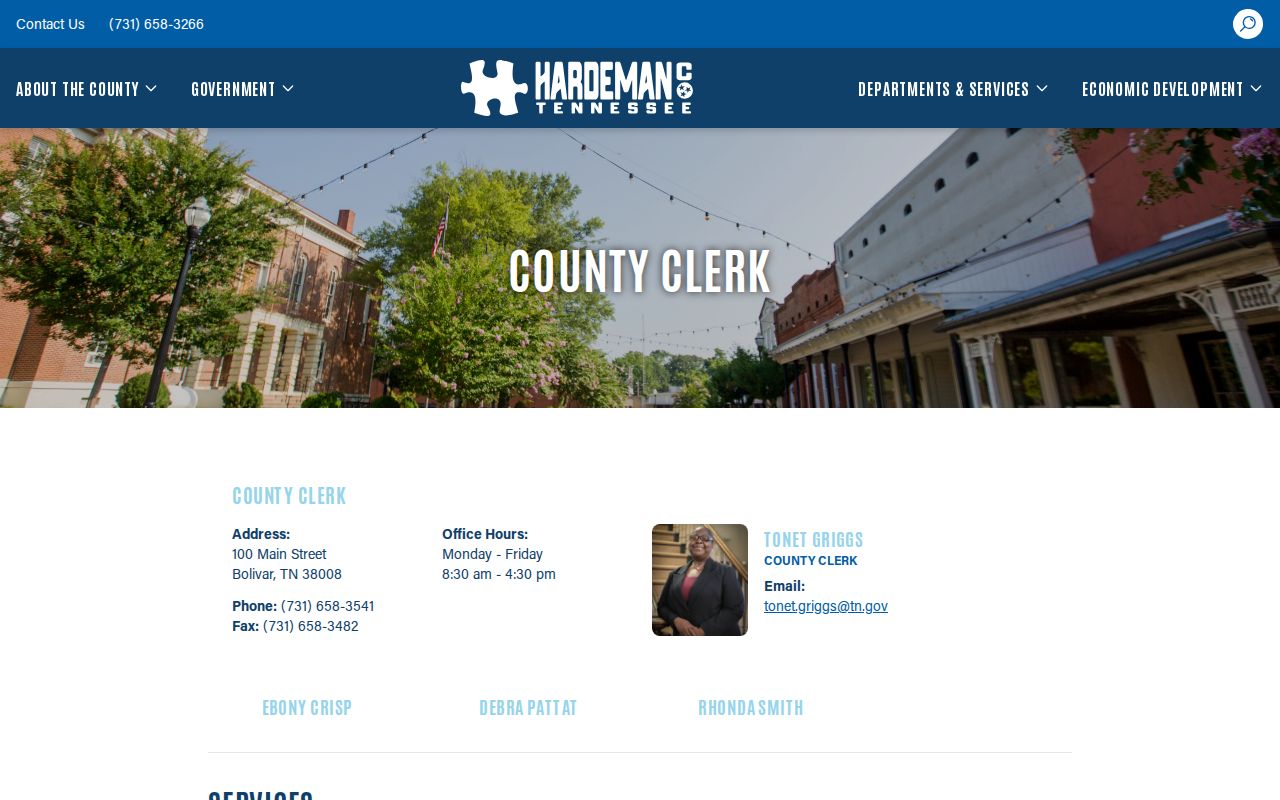
Two clerks, two jobs. That is the first thing to grasp in a Grand Junction docket search. The Circuit Court Clerk keeps the county's court records. Those files cover Circuit, Criminal, General Sessions, Juvenile, and related matters. The office sits at 505 South Main Street, Suite A, Bolivar, Tennessee 38008. It answers at 731-658-6524. Chancery and probate records are different. They belong to Clerk and Master Kim Paras, 100 North Main Street, phone 731-658-3142. Name the division you need before you ask for any file.
How Grand Junction Cases Reach the County
A Grand Junction case can land in several places. It might sit with a city office. Or it might go to General Sessions, Circuit or Criminal Court, Juvenile Court, or Chancery Court. General Sessions takes limited civil claims under $25,000. It also takes evictions, misdemeanors, felony preliminary hearings, traffic citations, and protection orders. Circuit Court covers the wider civil and criminal docket. Chancery Court handles equity, domestic relations, probate, boundary disputes, partition, and similar matters.
Docket flow: Grand Junction city inquiry › Hardeman County court division › Circuit Court or Chancery Court
This is only a routing map. No case hits every stop. Once you know the case is county-held, the Hardeman County court docket overview points you to the right clerk.
Grand Junction Court Records Context
Grand Junction counted 338 residents in 2020, per the Census incorporated-place table. That ranks the city fourth among the five places with local pages here. It is not a case count. Nor does it predict how many records systems exist. The official Census place table is where that figure comes from.
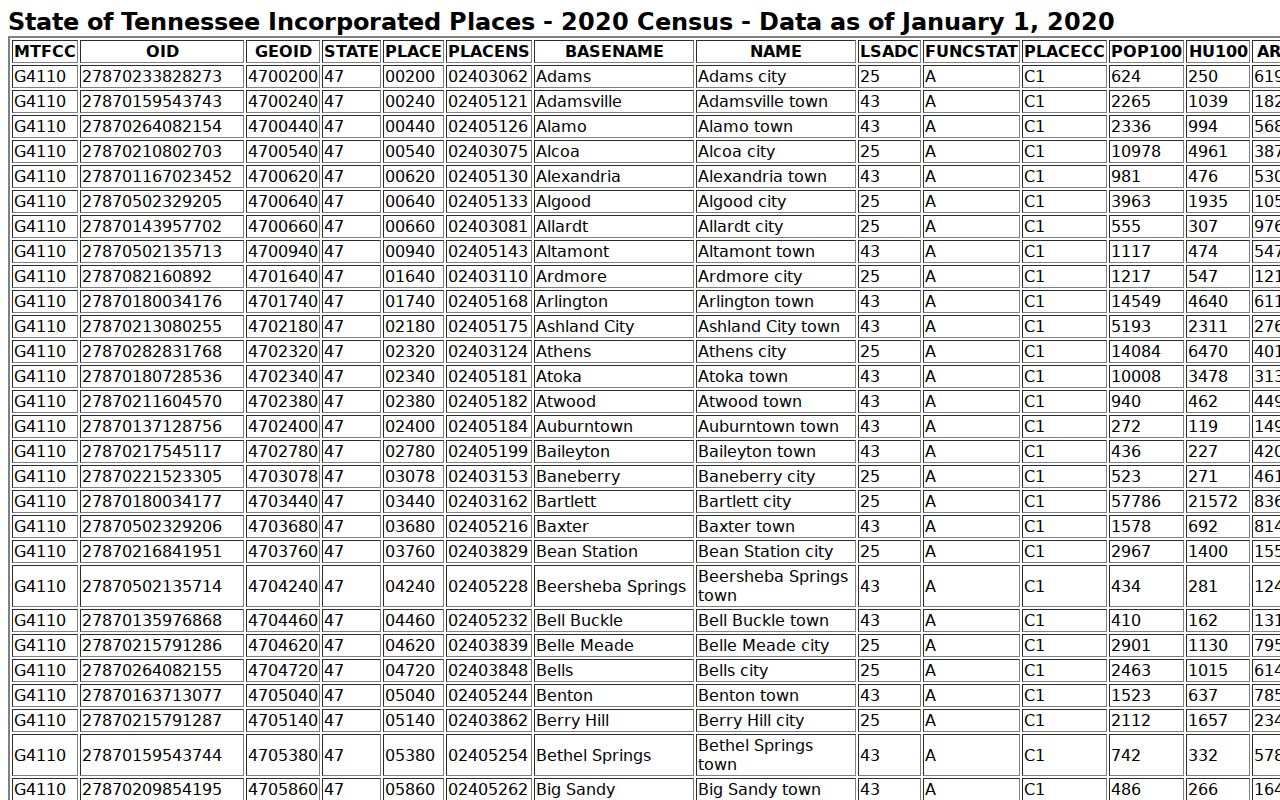
A population figure identifies a place. It says nothing about a court, a sitting clerk, or a portal. Grand Junction also holds a spot in county history. It was the site of the first "Contraband Camp." That civic story sets the city apart. But it has no bearing on modern court instructions or today's case volume.
Federal Grand Junction Court Records
Federal cases do not live in the Hardeman courthouse docket. A federal matter tied to Grand Junction belongs to the Western District of Tennessee. PACER and the courts' CM/ECF systems handle federal access. County clerks cannot print federal docket sheets. The Western District court site is the official starting point.
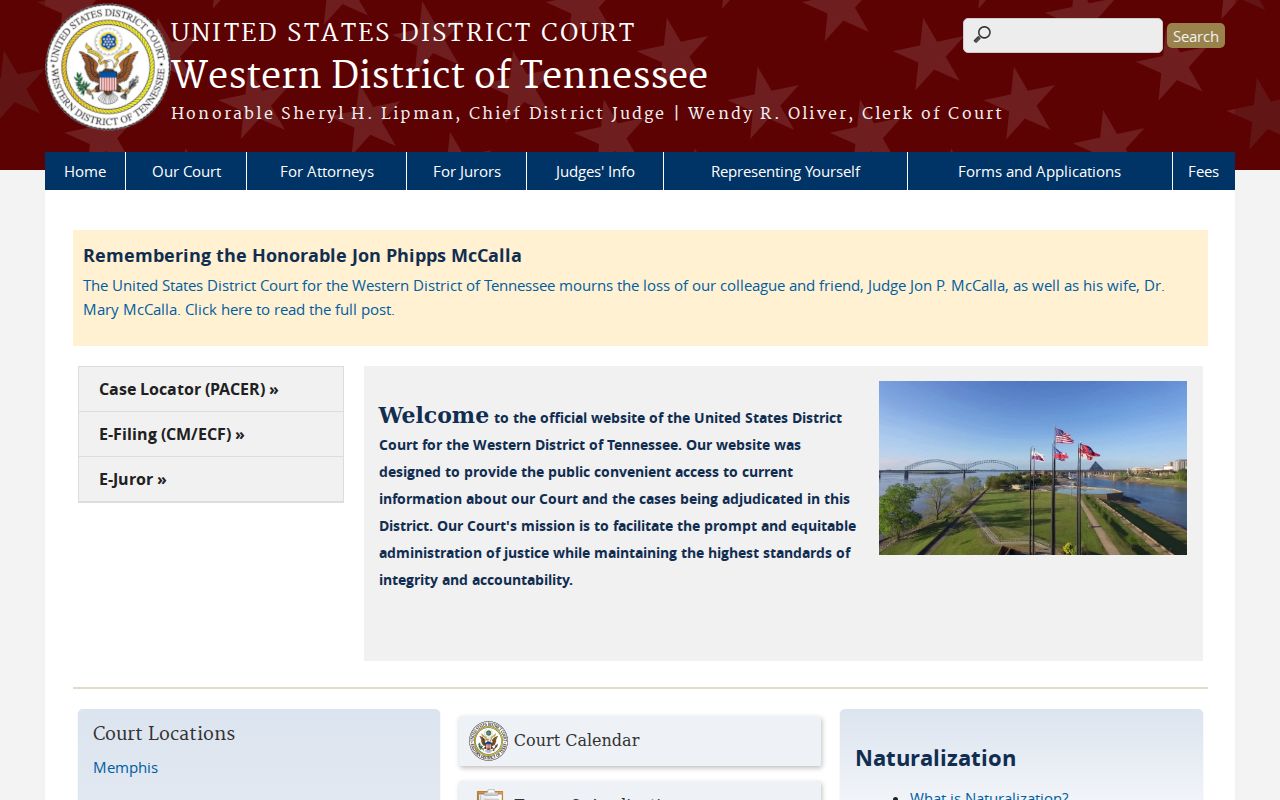
Here the local routing ends and a separate federal system begins. The PACER policy page lays out federal access rules and fees.
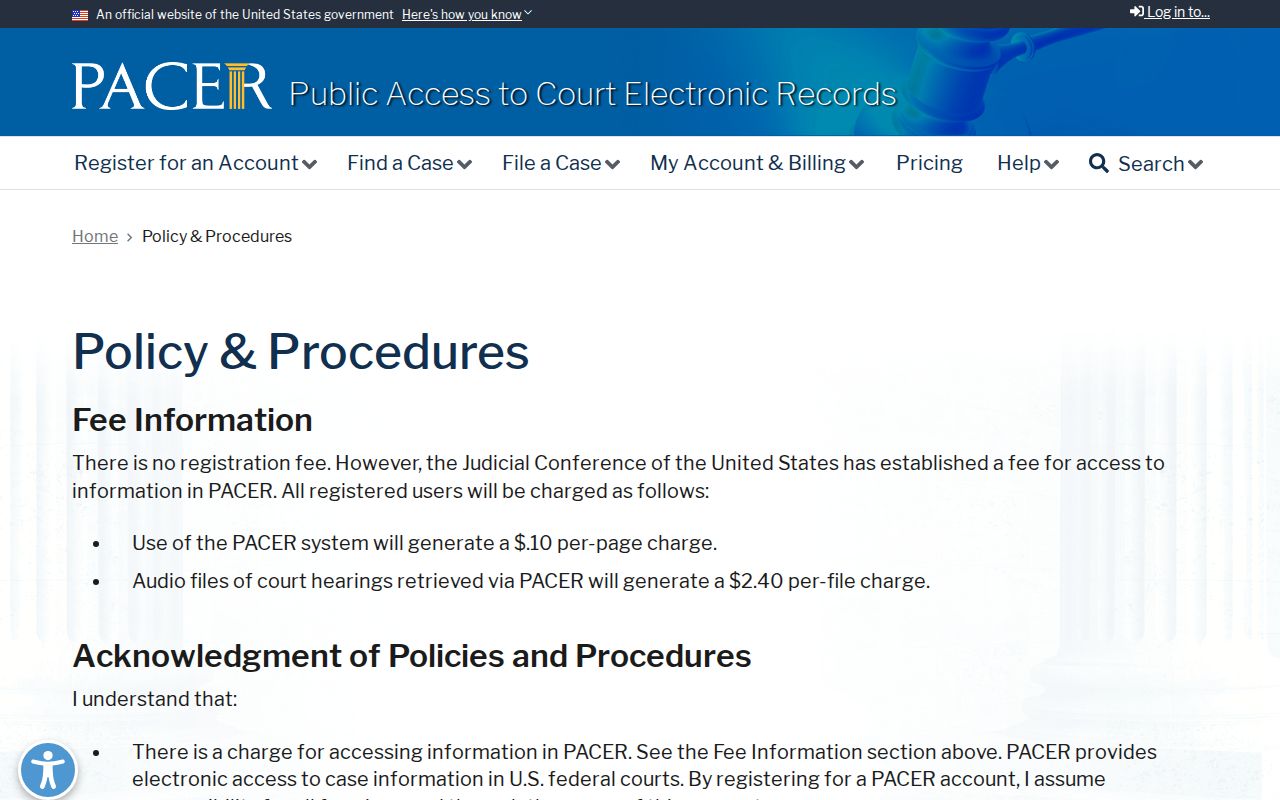
PACER covers federal cases only. It will not locate a missing Grand Junction city citation.
Who Can See Grand Junction Court Records
Tennessee court records are public as a general rule. Statutes, court rules, sealing orders, and protected data can narrow that access. Juvenile records face extra limits. A public docket can still list events without revealing every document or personal detail.
Key Rules:
Tennessee Supreme Court Rule 34 sets the access baseline and recognizes restrictions.
Tennessee Public Records Act guidance explains the citizen-access framework.
Juvenile Rule 114 provides special confidentiality standards.
When Hardeman County holds the record, you may ask in person or in writing, and the office can require proof of Tennessee citizenship. If the records are not ready right away, the policy calls for a response form within seven business days. City-held Grand Junction records follow their own rules. Check that city's policy, fees, and address directly.
Confirm Grand Junction Court Records
Before you rely on any result, read it back to the clerk. Confirm the case number, the court division, the latest entry, and the current setting. Ask whether a newer order, reset, seal, or transfer changed the docket. This final check matters most. It protects you when the record guides a court appearance or a copy order.